Fotona Laser Treatments for Customized Anti-Aging Solutions
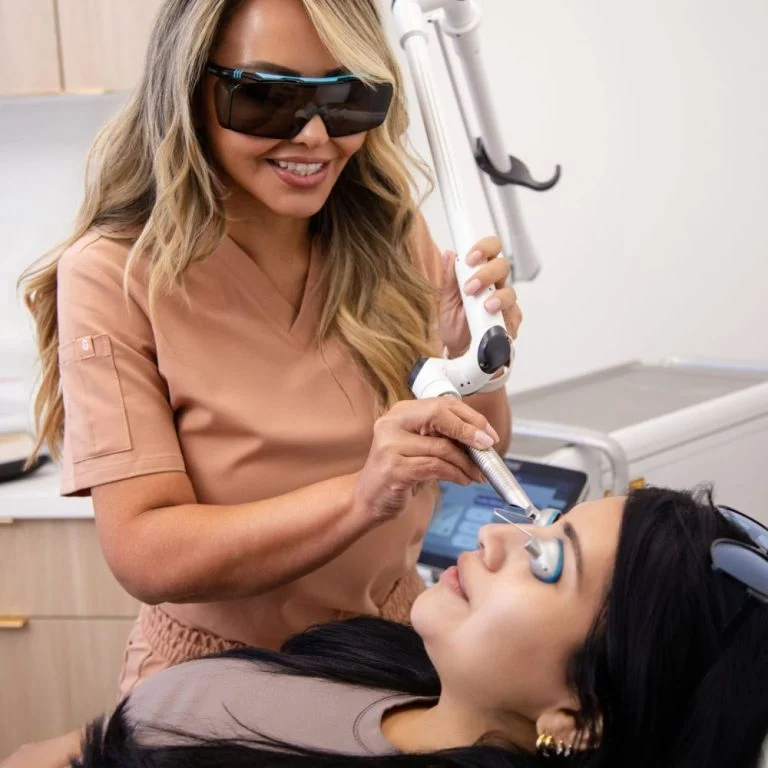
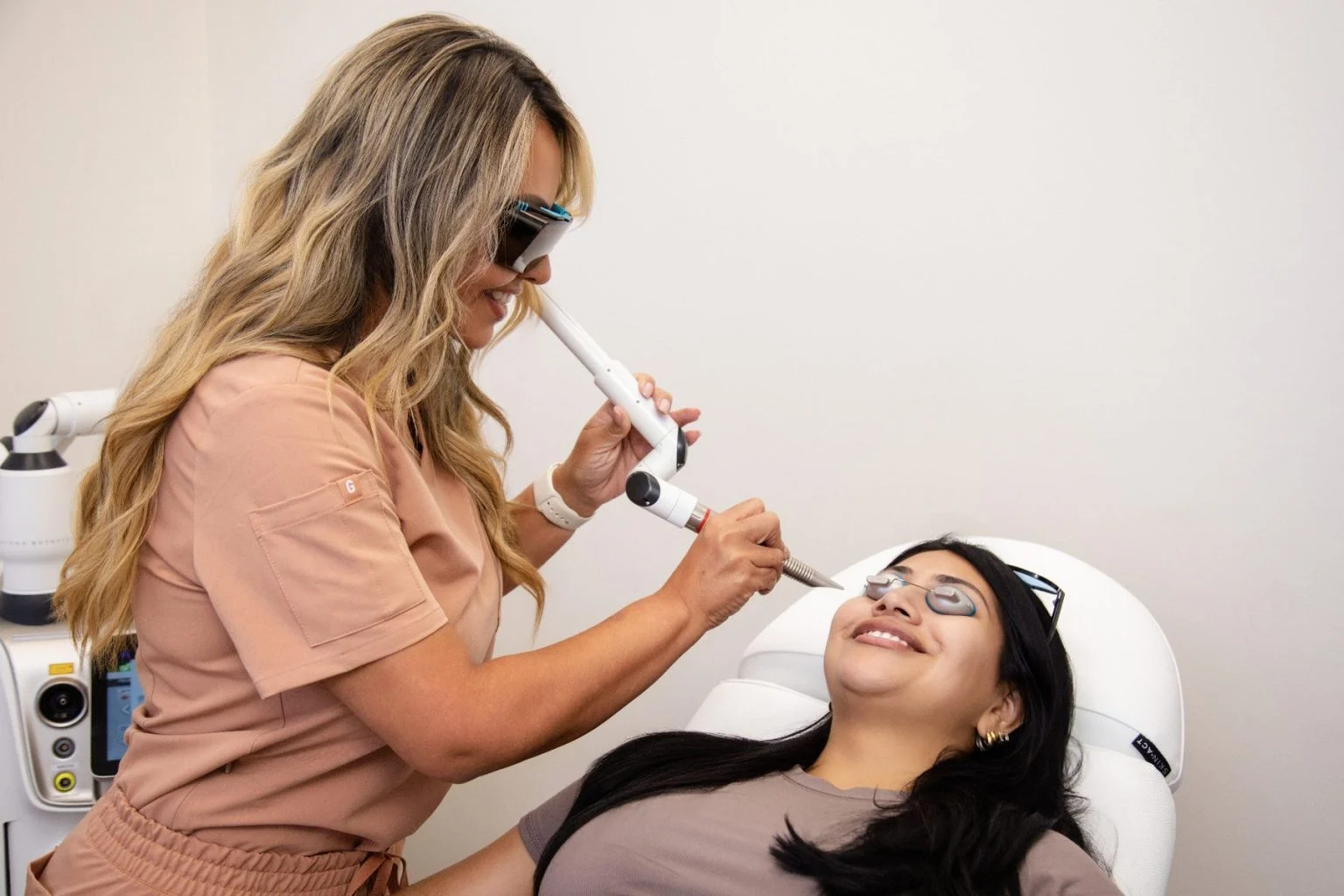
Aging skin rarely follows a single pattern. One patient notices laxity along the jawline long before they develop pigment changes. Another has excellent firmness but feels bothered by etched lines around the mouth and eyes. A third looks tired because of uneven texture and dullness rather than deep wrinkles. That is exactly why broad, one-size-fits-all rejuvenation plans often disappoint. Anti-aging works best when treatment is matched to what the skin is actually doing, not what a generic protocol assumes it should be doing.
Fotona Laser Treatments have earned a strong place in that conversation because they allow clinicians to work across different depths and concerns with unusual precision. In practice, that means a treatment plan can be adjusted for collagen stimulation, resurfacing, tightening, textural refinement, or a combination of all four, depending on the person in the chair. The value is not just in the device itself. It is in the flexibility of the platform and the judgment of the provider using it.
Patients often arrive asking for a “laser facial” as if that were a single thing. It is not. There is a meaningful difference between a low-downtime treatment designed to freshen the skin and a more intensive resurfacing session aimed at visible structural change. Fotona systems are useful because they can cover both ends of that spectrum, and many points in between.
Why customization matters more than brand names
A recognizable device name can be reassuring, but brand recognition is not the same as good planning. The best outcomes in aesthetic medicine usually come from matching energy, depth, timing, and recovery expectations to the patient’s anatomy and goals. Two people of the same age can need very different treatment approaches. Lifestyle matters. Sun exposure matters. Skin thickness matters. Rosacea, post-inflammatory pigmentation risk, acne scarring history, smoking history, and even how expressive someone’s face is can all change the right approach.
This is where Fotona Laser Treatments tend to stand out. Many systems combine two established wavelengths, Er:YAG at 2940 nm and Nd:YAG at 1064 nm, which allows a provider to target both superficial and deeper tissue effects. In plain terms, one wavelength is particularly useful for precise ablation and resurfacing, while the other can be used to heat deeper layers and encourage collagen remodeling. That dual capability opens the door to more tailored treatment plans.
A patient in their late thirties with early lower-face laxity and mild under-eye crepiness may benefit from a collagen-focused series with very controlled downtime. A patient in their fifties with years of sun damage, etched perioral lines, and rough texture may need a more aggressive resurfacing strategy, often staged carefully rather than done all at once. The machine can be the same. The settings, sequencing, and endpoint are not.
What Fotona actually treats in the context of aging
Anti-aging is a broad phrase, but most patients are talking about a relatively short list of visible changes. Skin starts to look older when collagen declines, elastin quality worsens, cell turnover slows, and cumulative environmental damage shows up on the surface. The visible result may include fine lines, deeper creases, enlarged pores, uneven tone, rough texture, skin laxity, and a general loss of brightness.
Fotona Laser Treatments can be adapted to address several of these concerns, particularly texture, mild to moderate laxity, superficial lines, and signs of photoaging. Depending on the protocol, treatment can target the epidermis, deeper dermal structures, or both. That matters because wrinkles are not all created the same way. Fine crepey lines often respond well to controlled resurfacing. Mild sagging requires heat-based remodeling deeper in the tissue. Dullness often improves once damaged superficial layers are refreshed and turnover increases.
The phrase “anti-aging” also tends to blur an important distinction between correction and maintenance. Some laser sessions are meant to reset the skin more substantially, with downtime to match. Others are maintenance-driven, done periodically to preserve tone and quality after a stronger initial series. Experienced providers think in both phases. Patients who understand that framework usually make better decisions and have more realistic expectations.
The appeal of combination treatment in one platform
In clinic settings, combination approaches often outperform single-modality treatments because aging affects the skin on more than one level. Fotona platforms support that logic well. A provider can design a session that creates deeper thermal stimulation and then address the surface, or build a treatment course that begins conservatively and intensifies later depending on healing, response, and tolerance.
One of the better-known examples is Fotona 4D, a multilayered facial rejuvenation approach that may include intraoral and external treatment steps. The appeal is that it tries to improve tone, laxity, and surface quality in a coordinated way rather than chasing one isolated issue. That said, branded protocols are starting points, not laws. Good practitioners often modify them. They may reduce intensity around delicate areas, skip a step for highly reactive skin, or separate treatments across appointments if swelling or social downtime is a major concern.
There is also a practical advantage here. Many patients do not want surgery, but they also do not want a long series of underpowered treatments that never quite add up. A customizable laser platform can help bridge that gap. It may not replace a surgical result when tissue descent is advanced, but it can create meaningful improvement for the right candidate and often with less disruption than older resurfacing methods.
How the treatment experience usually unfolds
For most patients, consultation quality predicts treatment quality. The useful visit is not the one where someone is sold a package in ten minutes. It is the one where the provider studies movement, skin density, sun damage, previous procedures, and healing history. Photographs help. So does discussing what the patient actually means by “looking older.” Sometimes they are talking about jowling. Sometimes they mean makeup settling into pores. Those are not the same problem.
During treatment, sensation varies by protocol. Deeper heating passes can feel warm and prickly. More ablative resurfacing feels sharper and usually calls for topical anesthetic, cooling, or other comfort measures. Recovery also varies widely. Some Fotona Laser Treatments leave only transient redness and mild swelling, while others create several days of visible healing with bronzing, roughness, or peeling. Patients often underestimate how different those endpoints can be.
A point worth stressing is that downtime is not a measure of quality. More aggressive is not automatically better. It is simply a different trade-off. The right plan depends on how much change is needed, how quickly the patient wants to see it, and how much recovery they can reasonably manage.
Where Fotona fits among anti-aging options
Patients often compare lasers to microneedling, radiofrequency, injectables, and surgery, which is sensible because those are the alternatives they are usually weighing. Fotona fits best as a skin-quality and mild-to-moderate tightening tool, with some protocols offering more visible resurfacing than treatments focused only on collagen induction.
Injectables can soften dynamic lines or restore volume, but they do little for rough texture or diffuse sun damage. Microneedling can improve texture and support collagen, though the degree of tightening is often modest and results are strongly operator-dependent. Radiofrequency devices can help with tightening but may not improve surface irregularities the way resurfacing lasers can. Surgery remains unmatched for significant tissue descent, especially in the lower face and neck, but it does not replace the need for skin-quality maintenance.
In real practice, the best anti-aging plan is often layered. A patient might use neuromodulators for expression lines, filler selectively for support, and Fotona Laser Treatments for texture, pores, tone, and collagen remodeling. The mistake is assuming one category must do everything.
Good candidates, and people who should pause
The strongest candidates are usually those with mild to moderate photoaging, early to moderate laxity, fine lines, textural changes, and realistic expectations. Patients who are committed to sun protection and good skincare also tend to get more durable results. Lasers can improve damage, but they do not make someone immune to future damage.
Caution is important in patients with active infection, impaired wound healing, recent isotretinoin use depending on timing and protocol, a history of problematic pigmentation, or conditions that make heat or injury responses less predictable. Skin type matters too. Not because darker skin cannot be treated, but because treatment choice and settings must be selected thoughtfully to reduce the risk of post-inflammatory hyperpigmentation or uneven healing.
This is also where an experienced laser provider earns their fee. They know when not to treat, when to precondition the skin, and when to choose a less aggressive setting despite patient pressure. That restraint prevents many of the outcomes patients fear most, including prolonged redness, persistent pigmentation changes, and disappointment from an overly ambitious plan.
The areas that often respond especially well
Some parts of the face tend to show aging early and respond nicely to a customized laser strategy. The perioral area is one of them. Vertical lip lines can be stubborn, especially in patients with a history of smoking or repeated pursing movements, and careful resurfacing can soften the etched appearance. The lower eyelid area, when treated with proper caution, can also benefit from collagen-focused approaches that improve crepey texture.
Cheeks with enlarged pores and diffuse roughness often show visible improvement because texture changes are easier to appreciate than patients expect. The neck is more variable. Mild laxity and textural aging can respond, but expectations need to stay realistic because the neck is unforgiving, and severe laxity usually calls for something beyond laser alone.
One detail many patients appreciate is that skin can look healthier before it looks dramatically “younger.” Better reflectivity, smoother makeup application, and a more rested appearance are common early wins. Those improvements matter. They are often what make someone look polished and less tired in ordinary life.
What results usually look like over time
Laser rejuvenation is rarely a one-and-done story. Some effects appear quickly, especially those tied to superficial polishing and edema. Skin may look brighter within days or weeks. Collagen remodeling, however, develops more slowly. It often unfolds over several weeks to months, depending on the treatment intensity and the biology of the patient.
Providers commonly recommend a series for non-ablative or lower-downtime protocols, while more intensive resurfacing may be performed less frequently. Exact numbers vary by concern and approach, but it is reasonable for patients to hear recommendations framed as a range rather than a single fixed number. Anyone promising permanent reversal of aging with one treatment is overselling.
The durability of results also depends on maintenance. A patient who treats the skin once and returns to inconsistent sunscreen use, frequent tanning, poor sleep, and no skincare support will age right through the benefits faster than someone who protects their investment. That is not a moral judgment. It is simply how skin behaves.
The recovery details patients should hear before saying yes
A lot of laser dissatisfaction starts not with the treatment itself, but with poor preparation for recovery. Redness, swelling, dryness, roughness, temporary darkening of pigmented areas, and a sandpapery feel are all common after many anti-aging laser sessions. More aggressive protocols can create several days of social downtime and demand meticulous aftercare.
The practical questions matter. Can the patient avoid sun exposure for the first week or two? Do they have a major event scheduled? Are they prone to cold sores and do they need preventive medication? Do they understand that “no downtime” often means “low downtime,” not absolutely none? These are not small details. They shape satisfaction more than marketing language ever will.
The most sensible pre-treatment checklist is short:
- Confirm the exact protocol being planned, not just the device name.
- Ask what day two, day five, and day ten usually look like.
- Review pigment risk, especially if you tan easily or have had dark marks after inflammation.
- Follow pre- and post-care instructions precisely, including sun avoidance.
- Make sure your expectations match the likely degree of improvement.
That conversation protects both the patient and the provider. It sets a realistic baseline and reduces the chance of regret driven by misunderstandings.
Common misconceptions about Fotona Laser Treatments
One misconception is that all laser anti-aging treatments thin the skin. In properly selected and properly performed rejuvenation protocols, the goal is not thinning. It is controlled injury or heating that stimulates renewal and remodeling. Another misconception is that stronger always means better. For some patients, serial moderate treatments produce a better long-term outcome than one heavy session that triggers prolonged inflammation.
There is also confusion around tightening. Lasers can improve mild to moderate laxity, but there are limits. A patient with significant jowling or heavy neck bands may still benefit more from surgery if they want a substantial structural change. The laser is not failing in that case. It is simply being asked to solve a problem outside its best range.
A final misconception is that branded protocols guarantee consistent results across practices. They do not. Operator technique, patient selection, aftercare guidance, and honesty about endpoints vary widely. The same device in two different clinics can produce very different experiences.
Pairing laser treatment with skincare and other procedures
The strongest anti-aging plans are rarely built around a machine alone. Skin that is properly prepped and maintained often heals better and holds results longer. That does not require a twelve-step routine. It usually means disciplined use of sunscreen, a retinoid if tolerated, moisturization that supports barrier repair, and active ingredients chosen with some restraint rather than maximalism.
When combining procedures, timing matters. Neurotoxins, fillers, peels, and energy-based treatments all have their place, but they should be sequenced thoughtfully. Swelling from one procedure can alter assessment of another. Heat can affect recently placed filler in some scenarios. A good provider plans the calendar, not just the appointment.
The combinations that tend to work best are the ones with clear roles. If volume loss is the dominant issue, pretending a laser will replace filler usually wastes time. If texture and pore size are the dominant issues, filler will not deliver what resurfacing can. Clarity is efficient.
Questions worth asking in consultation
Patients do not need to know laser physics in detail, but they should feel comfortable asking direct, practical questions. Useful questions tend to reveal how much nuance the provider brings to the case.
Consider asking these during the consultation:
https://maps.app.goo.gl/qXD4j3287tCBo42W7- Which concern are you targeting first, texture, laxity, pigment, or lines?
- Is this a low-downtime protocol or an ablative resurfacing treatment?
- What are the realistic gains for my skin type and age, and what will likely remain?
- How many sessions do you usually recommend for someone like me?
- What risks are most relevant in my case?
A thoughtful answer is usually specific. If every patient gets the same script, that is a warning sign.
The difference between a visible improvement and an unnatural result
One reason many patients are drawn to laser rejuvenation is that successful treatment tends to improve skin quality without changing identity. Better texture, more refined pores, softened lines, and a firmer look can make someone appear healthier and less fatigued while still looking exactly like themselves. That is often the sweet spot.
The flip side is that overtreatment can make skin look overprocessed, especially when resurfacing is too aggressive or repeated without respect for barrier recovery. Seasoned clinicians know when to stop. They preserve movement, texture variation, and the ordinary visual cues that keep a face looking alive. Anti-aging is not the same thing as erasing every line.
That restraint is part of customization too. The goal is not to make everyone look uniformly smooth. It is to improve what is making that particular patient look older than they feel.
What makes a provider worth trusting
Experience with lasers is not just about owning a device. It is about pattern recognition built over many patients and many skin responses. Providers who do this well tend to photograph carefully, explain trade-offs clearly, and avoid overpromising. They can tell you when Fotona Laser Treatments are a strong fit, and just as importantly, when another option would serve you better.
It is also worth paying attention to how a clinic talks about recovery and maintenance. A practice that acknowledges nuance is usually a safer place to be treated than one that sells every procedure as effortless. Skin rejuvenation can be elegant and effective, but it still depends on tissue response, wound healing, and time.
For patients seeking a customized anti-aging strategy, that is the central appeal of Fotona. It offers range. It allows a thoughtful provider to tailor treatment depth, intensity, and timing to the person rather than forcing the person into a preset template. When that pairing is done well, the result is not a dramatic transformation that looks obvious across the room. More often, it is something better, skin that looks stronger, smoother, brighter, and more convincingly rested over time.
OMNIA Wellness Center
Address: 16430 Ventura Blvd Ste 207, Encino, CA 91436
Phone number: +18183868511
FAQ About Fotona Laser Treatments
What is a Fotona laser good for?
A Fotona Laser system is a versatile, dual-wavelength medical laser used primarily for non-surgical skin tightening, anti-aging rejuvenation, and dermatological treatments.
How much does the Fotona laser cost?
The cost of a Fotona laser depends heavily on whether you are looking to purchase a laser machine for a medical practice or are a patient seeking a laser treatment at a medspa.
Is a Fotona laser worth it?
A Fotona laser treatment is generally worth it if you want non-surgical skin tightening, improved texture, and collagen stimulation with very little downtime.